

Buying finishing equipment one piece at a time can look flexible at first, especially when a shop already owns part of the process. Package sourcing takes a different approach by planning booths, ovens, controls, and supporting equipment around the same workload. Understanding the tradeoffs helps manufacturers decide which route fits their budget, floor space, production schedule, and future growth.
Separate Purchases Give Shops More Freedom, but More Homework
Stand-alone sourcing lets a manufacturer choose individual components from different suppliers, which can be useful when replacing one aging machine or adding capacity to an established line. Shops may keep a working booth, for example, while comparing powder coating ovens that better match heavier parts or higher production volume.
Compatibility becomes the harder part because dimensions, controls, utilities, rack sizes, and throughput still need to line up. Buyers reviewing Reliant powder coating equipment for sale should calculate how new equipment will connect with existing machinery rather than assuming separate components will perform well together simply because each one meets its own specifications.
A Package Can Simplify Capacity Planning Across the Line
Coordinated equipment makes it easier to compare how quickly parts move through application, curing, cooling, and unloading. A Reliant powder coating equipment package can help a business plan those stages around a shared production target instead of discovering later that one machine consistently runs faster than the next.
Balanced capacity also affects labor because operators spend less time waiting for oven space or rearranging racks around mismatched openings. Facilities using Reliant powder coating equipment can gain more useful output when booth dimensions, material handling, and heating capacity reflect the same common part sizes and daily batch schedule.
Which Option Makes Installation Easier to Coordinate?
Individual purchases can arrive with different electrical requirements, controls, installation instructions, and service needs. Contractors may need to solve equipment interfaces on-site, adding extra planning whenever wiring locations, gas connections, exhaust routes, or physical clearances were not considered together before delivery.
Package sourcing can reduce part of that coordination by establishing equipment requirements earlier in the project. Reliant powder coating systems can help businesses view the finishing area as one connected installation, giving electricians, gas contractors, and production managers a clearer picture of where utilities and service access need to go.
Oven Selection Can Expose Weaknesses in Stand-Alone Planning
Curing capacity is easy to underestimate because oven size alone does not determine production output. Metal thickness, rack weight, door-opening time, airflow, and heat recovery all influence how quickly a load reaches its required part-metal temperature and clears the chamber for the next batch.
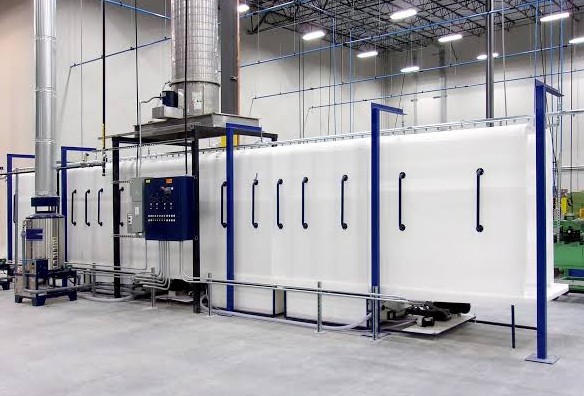
Heavy fabrication may call for a Reliant industrial powder coating oven rather than a smaller unit selected only because the parts physically fit. Matching the oven with upstream output helps a business avoid investing in faster application equipment while leaving the curing stage unable to keep pace with the added workload.
Mixed Suppliers Can Mean Different Maintenance Routines
Maintenance becomes more complicated when a finishing line contains unrelated controls, fan assemblies, filters, burners, sensors, and replacement components. Technicians may need several manuals, separate parts sources, and different troubleshooting procedures just to keep one production line running reliably.
Standardization can make recurring service easier to organize. A coordinated equipment package gives maintenance teams a more consistent framework for inspections and spare-parts planning, while Reliant powder coating ovens can be incorporated into the same preventive schedule as the surrounding application and handling equipment.
Does Package Sourcing Reduce Future Expansion Problems?
Growth often reveals compatibility issues that were invisible during the first installation. A larger oven may need different rack dimensions, an added booth may require more airflow capacity, or new material-handling equipment may not align with machines positioned years earlier without expansion space in mind.
Forward planning gives businesses more room to add capacity without moving everything already installed. Shops considering a Reliant powder coating oven for sale can evaluate door configuration, utilities, floor clearance, and possible future throughput alongside the rest of the package, helping later upgrades fit the original production path more naturally.
Total Cost Goes Beyond the Initial Equipment Quotes
Separate purchases can look less expensive when each quotation is viewed on its own. Freight, custom transitions, electrical modifications, added controls, installation labor, extra engineering, and downtime can change the final cost once those pieces have to operate together inside a working facility.
Package comparisons should still include energy use, maintenance access, filter expenses, labor, and expected utilization rather than focusing only on purchase price. Reliant powder curing ovens can contribute to better long-term value when their heating capacity is selected around genuine workload instead of forcing operators to extend cycles or run undersized batches.
The Better Choice Depends on What the Shop Already Has
Established facilities with useful equipment may have good reasons to purchase only the component that limits production. New finishing departments, major expansions, or shops replacing several aging machines at once may benefit more from planning the equipment together because fewer existing constraints dictate the final layout.
Reliant Finishing Systems gives manufacturers both oven-focused options and broader equipment packages for building out the curing side of a finishing operation. A shop can use Reliant’s oven lineup to address a specific heating bottleneck or consider a coordinated package where booth capacity, rack movement, and curing performance need to work together from the first production run.
