

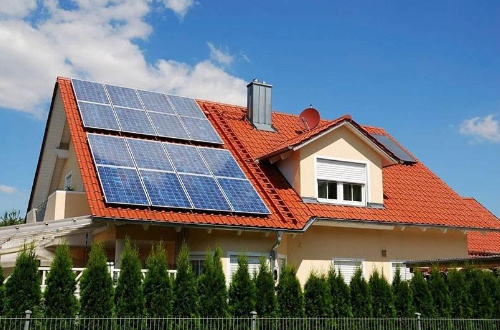
You should look into the complexities of a home solar system if you are thinking about sustainability and energy efficiency in the long run. The first thing to do is figure out which system will meet your needs the best. When looking to install a solar energy system, you mainly have two choices: ones that connect to the grid and ones that operate independently of it. Solar power systems are numerous and varied, each with its advantages and disadvantages. By comparing the two systems and discussing their advantages and disadvantages in detail, this post will shed light on your choices.
The Features That Set Off-Grid and On-Grid Solar Power Apart
Excess Production of Energy
When grid-connected systems produce more energy than is required, as happens during very hot summer months, for example, the excess energy is sent back to the supply grid in the form of power credits. Following that, they will not be added to your monthly power bill but will be used on days when the photovoltaic cells are not producing any energy.
Most states mandate this method, which is called net metering. On the other hand, an off grid solar system can store their excess energy in batteries for later use. If there is cloud cover or not enough sunlight to power the panels, the stored energy can be used on days when the sun doesn’t shine.
Electricity Access
Whether or not the sun is shining is irrelevant to a grid-connected solar system; you will always have access to power. The system’s connection to the electric grid is the reason behind this.
The system is designed to directly absorb and convert the energy generated by the solar panels whenever there is sunlight. When cloud cover and sunshine levels drop below a certain threshold, the system will return to drawing power from the grid automatically.
With an off-grid solar system, your power comes from the sun and your batteries. Neither of these sources is reliable without the other. The energy stored in your battery bank is the sole source of electricity that can be utilized to power your home with an off-grid system. This is because, in the case of insufficient sunshine, your system cannot switch back to your local power supply.
Electricity Bills
Your electricity statement will still show limited charges from a grid-tied system. This is because it’s hardwired into the power grid where you are.
Connecting your solar system to the grid will cost you a service fee. Demand charges, on the other hand, are the higher rates you’ll pay for electricity used during peak demand hours or when your home uses the most power overall.
With fully self-sufficient off-grid solutions, worrying about power prices is a thing of the past. You won’t even receive an invoice for the electricity you use.
Grid Power Outage
Out of all the major downsides of grid-tied systems, the most important one is that users will not have power in the case of a power outage caused by a lack of sunshine and a grid failure unless you’re planning on spending money on a generator or a bank of batteries.
Separate solar systems, on the other hand, don’t rely on the grid for their operation and are thus unaffected by grid outages.
Conclusion
There are several differences that you can note when talking about off-grid and grid-tied solar systems namely energy production, electricity access, bills, and grid power outage. The needs you have will determine whether you should go with a grid-tied or off-grid system. In residential situations, where connectivity to the supply grid can help lower electricity costs, systems that are connected to the grid are the most cost-effective. The large expenditure is justified, however, if you want to live totally off the grid and never again worry about power outages thanks to the dependable electricity provided by off-grid systems. Living sustainably and efficiently remains the end goal, irrespective of the road you take.
