

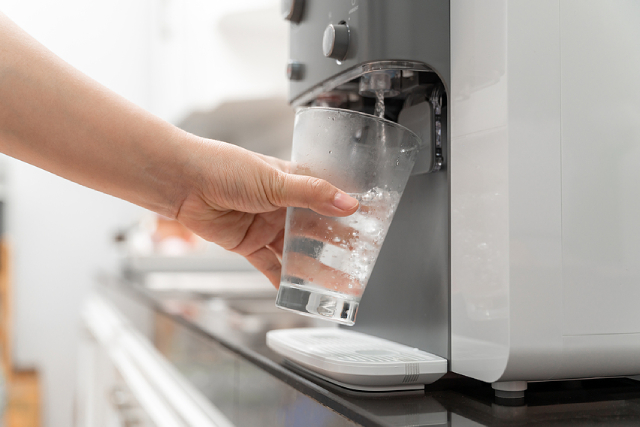
While water may appear clear, it can still contain harmful microorganisms that are invisible to the naked eye. This is where UV purification plays an important role. Using ultraviolet light, UV water purifiers help reduce bacteria, viruses and other microorganisms without adding any chemicals to the water.
If you are exploring different water purification technologies, understanding how UV purification works can help you choose the right solution for your home.
What Is UV Water Purification?
UV water purification is a process that uses ultraviolet light to disinfect water. The purifier contains a UV lamp that emits UV C light, a specific wavelength known for its ability to deactivate harmful microorganisms.
As water passes through the UV chamber, the ultraviolet light penetrates the microorganisms and damages their DNA. This prevents them from multiplying and making people sick. Unlike chemical disinfection methods, UV purification does not change the taste, smell or colour of water.
How Does UV Purification Work?
The purification process is simple yet highly effective.
- Water enters the UV chamber after passing through the initial filtration stages.
- The UV lamp emits ultraviolet light at a germicidal wavelength.
- Harmful microorganisms are exposed to the light.
- Their DNA is disrupted, making them inactive and unable to reproduce.
- The disinfected water flows out, ready for consumption.
Since UV purification works instantly as water flows through the system, there is no waiting time for the disinfection process.
Benefits of UV Water Purification
Effectively Reduces Harmful Microorganisms
UV purification is designed to help reduce bacteria, viruses and other disease causing microorganisms that may be present in water. It provides an added layer of protection, especially when the water source is microbiologically unsafe.
Chemical Free Water Treatment
Unlike chlorine or other chemical disinfectants, UV purification relies only on ultraviolet light. This means no chemicals are added to your drinking water, helping preserve its natural taste and odour.
Retains Natural Minerals
UV purification disinfects water without removing naturally occurring minerals. If the source water already contains beneficial minerals, they remain in the treated water.
Low Maintenance
Apart from periodic replacement of the UV lamp and routine servicing, UV purification systems generally require minimal maintenance for effective performance.
Is UV Purification Enough on Its Own?
UV purification is highly effective against microorganisms, but it does not remove dissolved impurities such as excess salts, heavy metals or chemicals. It also cannot remove suspended particles like sand or mud.
For this reason, many modern water purifiers combine UV purification with other technologies such as:
- Sediment filters to remove larger particles.
- Activated carbon filters to reduce chlorine, odours and organic impurities.
- RO (Reverse Osmosis) to reduce dissolved salts, heavy metals and Total Dissolved Solids (TDS).
A multi stage purification system offers more comprehensive protection by addressing different types of water contaminants.
Who Should Consider a UV Water Purifier?
A UV water purifier can be a suitable choice for homes where the water supply is microbiologically contaminated but has relatively low TDS levels. It is commonly used with municipal water supplies that are already treated but may still be vulnerable to bacterial or viral contamination during distribution.
If your water source has high TDS or significant chemical contamination, a purifier that combines RO and UV technologies may provide more complete purification.
Tips for Maintaining UV Purification Performance
To ensure consistent performance:
- Replace the UV lamp according to the manufacturer’s recommended schedule.
- Clean or replace pre filters regularly.
- Service the purifier periodically to maintain optimal efficiency.
- Ensure the water entering the UV chamber is relatively clear, as excessive turbidity can reduce the effectiveness of ultraviolet light.
Conclusion
UV purification is a reliable and chemical free method that helps make drinking water safer by reducing harmful microorganisms. It preserves the natural taste of water, works quickly and requires relatively little maintenance. While it is highly effective for disinfection, combining UV technology with filtration methods such as RO and activated carbon provides broader protection against a wider range of contaminants. Understanding your water quality and purification needs can help you select the right system for safe, clean and refreshing drinking water every day.
