

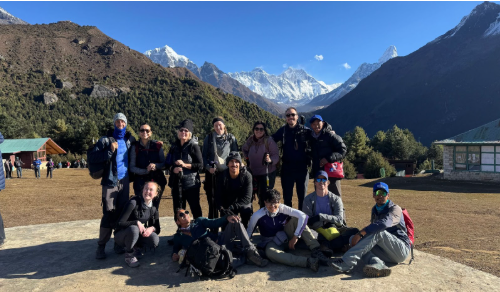
Trekking is not only about mountains; it is about how a place makes you feel as you move through it step by step. Some places will amaze you with their natural beauty, others with comfort or difficulty. Nepal stands apart because it offers all of these at once—without losing its authenticity. For decades, trekkers from around the world have returned from Nepal with stories that feel deeply personal, not staged or commercial. That is why Nepal is the best destination for trekking in the world.
It is not only the height or the famous peaks that make Nepal a unique destination, but the fact that trekking is an integral part of life there. The routes go through living villages, farms, and ancient tracks that are still used by the locals. Trekking in Nepal is real because it is a part of life there.
A Landscape That Changes Every Day on the Trail
Nepal’s landscape is one of a kind. Within a few kilometers, one can hike from lush valleys to towering ranges of some of the highest mountains across the globe, creating an environment in which each trek will vary greatly from the last.
You may be hiking through a warm yet forested environment filled with wildlife and splashing waterfalls, then a couple of days later, you will be walking along massive open valleys with peaks capped in white snow surrounding you on three sides. As you gain elevation, the terrain becomes more rugged and peaceful while providing both the calm of thin air and spectacular views.
This is what keeps trekking in Nepal interesting. The route never becomes monotonous, no matter how long the trip is.
Trekking Routes for Every Type of Traveler
While there are many reasons as to why there are so many different types of trekkers visiting Nepal, one of the primary reasons is that there are many different styles of treks available throughout the country. Once again, you do not need to be a physically elite athlete or an experienced mountaineer to experience the joy of trekking in Nepal.
There are:
- Easy treks for beginners
- Moderate treks with comfortable lodges and gradual ascents
- Difficult high-altitude passes for experienced trekkers
- Remote trails that require commitment and preparation
This flexibility enables tourists to select treks depending on their level of ability, time, and comfort. Very few countries offer such diversity in a single destination.
A Strong Human Connection Along the Way
Trekking through Nepal provides as much contact with local inhabitants as it does with wildlife or nature. Trekkers will hike through various communities; therefore, it is not just to find beautiful views.
Many of these villages have living and social aspects, whether they are children attending school, farmers working in their fields or elderly family and friends gathering in the evening to socialise.
The routes trekkers walk on pass through the villages where they will find accommodation available to them in family-run lodges.
Deep Cultural Meaning Behind the Mountains
The Nepalese mountains are much more than just a geographical feature; they provide spiritual and cultural connection to the people of Nepal. Prayer flags, carved stone monuments and monasteries are all commonplace along trekking routes and are not just for decoration; they are part of everyday life for the Nepalese people.
Walking past spinning prayer wheels or hearing chants echo through valleys gives trekking a reflective quality. Many travelers have reported feeling more relaxed, centered, and focused as they journey through these environments.
A Sense of Purpose That Cannot Be Found in Recreational Trekking Destinations
Local Knowledge That Makes Trekking Safer
One of the best things about trekking in Nepal is the local knowledge of mountain communities. Trekking guides and porters frequently come from trekking areas and know the terrain from a young age.
Their experience helps with:
- Pacing in high-altitude environments
- Changing plans due to weather changes
- Identifying potential health problems
- Dealing with less predictable trail conditions
Having a local expert greatly increases safety and enables trekkers to relax and enjoy their trek. The experience of having someone who knows the land well increases trekkers’ confidence while on the trail.
A Trekking Culture Built Over Generations
The trekking industry is not new to Nepal. It has been developed over the years by both the locals and the visitors. Therefore, the trekking culture is well developed.
There is maintenance of the routes, the hotels are suited for the trekkers, and there are mechanisms in place to facilitate long treks even in remote areas. This is because the trekking culture is well developed.
This is unlike other places where the infrastructure for trekking appears hurried or forced. In Nepal, the system has developed over the years.
Affordable Without Feeling Cheap
Nepal is still one of the most affordable trekking places in the world. This is not because the place is cheap, but because of local ownership and living in the simple way in the mountainous regions.
One can undertake treks that are multi-day or multi-week without breaking the bank, especially when compared to other places.
A Sense of Personal Achievement
Trekking in Nepal is a test of both physical and mental endurance. The physical demands of trekking, particularly in high altitudes, instill a sense of personal achievement.
However, trekking in Nepal also teaches one the value of patience, perseverance, and flexibility. Delays due to weather, slow pace of ascent, and basic living conditions remind trekkers to pace their lives and change their outlook.
Numerous individuals who have trekked in Nepal have reported feeling stronger, more confident, and more in tune with themselves.
Responsible Trekking That Supports Local Communities
Trekking is directly beneficial to the economy of the region in which it is done in Nepal. The local communities will benefit from the trekking activities in Nepal by way of lodging, guide services, portering services, food, and transportation to get to the trek.
When done responsibly, trekking helps:
- Enhancing sustainable local income
- Preventing migration from mountain village
- Promoting environmental conservation
- Sustaining cultural heritage
This connection between traveler and community adds meaning to the experience and aligns with responsible tourism values.
Why Trekkers Keep Coming Back?
For most travelers, Nepal is not a destination that they visit once and then never again. People return to Nepal to explore other areas, to hike other trails, or simply to relive the experience that Nepal provides.
The blend of nature, culture, personal challenge, and human interaction is unique. Nepal is not a destination that you visit, it is a destination that you are a part of.
This is why Nepal is the number one destination for trekking in the world, not just for its natural beauty but for the experience that it provides.
Conclusion
The country of Nepal is positioned among three powerful spheres: nature, culture, and adventure. Walking through remote mountain landscapes creates space for solitude, reflection, and personal growth while opening doors to meaningful cultural encounters along the trail.
These elements of nature, community, and history combine to create one of the most distinctive trekking environments in the world. Travelers seeking meaning, challenge, and authenticity in their journeys often discover that trekking in Nepal offers far more than physical adventure.
For many visitors, the experience leaves a lasting impression that goes beyond the mountains themselves. This is why trekkers from around the world often return again and again, frequently guided by experienced local teams such as Nepal Hiking Team, who help travelers explore Nepal’s Himalayan regions with deeper understanding and respect for the landscapes and communities along the trail.
