

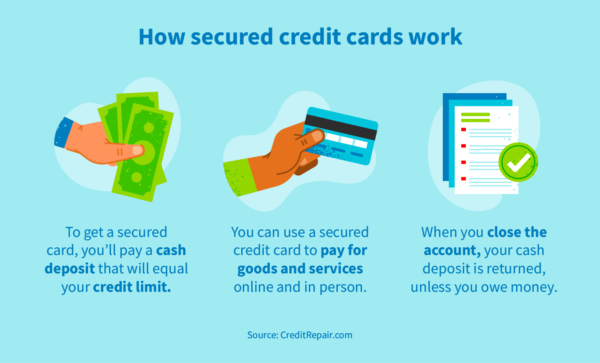
When people face damaged credit or have no credit history at all, the idea of getting approved for a traditional credit card can feel out of reach. That’s where secured credit cards come into play. Unlike unsecured cards, secured cards require you to make a cash deposit upfront. This deposit acts as collateral and usually becomes your credit limit. For many, this arrangement provides a safe way to build or rebuild credit while reducing the risk for the lender. If debt has already spiraled into multiple accounts, some individuals consider debt consolidation in Pennsylvania to organize payments before turning to tools like secured cards to rebuild their credit score. Used the right way, secured credit cards can be the steppingstone back to financial stability.
The Mechanics of a Secured Credit Card
At first glance, secured credit cards work just like regular credit cards. You swipe, tap, or use them online, and you’ll receive a monthly statement with a minimum payment due. The difference is that the issuer holds your deposit as security in case you default. For example, if you provide a $300 deposit, your card will usually come with a $300 credit limit. Paying on time and keeping balances low are the two key habits that demonstrate responsible use.
Who Benefits the Most from Secured Cards
Secured credit cards are designed for two main groups: those who are starting from scratch with no credit history, and those looking to repair a damaged score. For young adults, this type of card provides a structured entry into the world of credit without as much risk of overspending. For people recovering from bankruptcy, foreclosure, or years of missed payments, secured cards offer a chance to reset and prove reliability again.
How Secured Cards Help Build Credit
The primary benefit of a secured credit card lies in reporting. Most issuers send your payment history to all three major credit bureaus—Experian, Equifax, and TransUnion. Positive activity, such as making payments on time and keeping balances low, gradually lifts your credit score. Over time, consistent use of a secured card can help you qualify for unsecured cards, auto loans, or even mortgages with better terms. It’s not about the size of your credit line but the consistency of your behavior.
Common Missteps to Avoid
Even though secured credit cards are designed to protect both the lender and the borrower, misuse can still backfire. Carrying a balance too close to your limit can hurt your utilization ratio, which is an important factor in credit scoring. Missing payments can also be reported negatively, undoing the progress you’re trying to make. Some people also forget that interest rates on secured cards can be high, which means carrying a balance can get expensive quickly. The safest approach is to use the card lightly—maybe for small, recurring bills—and pay it off in full each month.
Graduating to an Unsecured Card
Secured credit cards are not meant to be permanent. After about 12 to 18 months of consistent, responsible use, many issuers will review your account and may offer you an unsecured card. At that point, your deposit is usually refunded. Think of secured cards as a training ground where you build the habits needed for long-term financial health. Moving up to an unsecured card with a higher limit expands your opportunities while maintaining the discipline you practiced with the secured card.
Other Benefits Beyond Credit Building
While credit improvement is the main draw, secured cards can also provide additional benefits. Some come with fraud protection, online account management tools, and even small rewards programs. More importantly, they help build confidence. For someone recovering from financial struggles, the ability to manage credit successfully—even on a small scale—can be empowering and motivating.
Final Thoughts
Secured credit cards are more than just a backup plan for those with poor credit—they’re a practical tool for building a solid foundation. By requiring a deposit, they lower the risk for lenders while giving you the chance to prove financial responsibility. With patience, discipline, and careful use, a secured credit card can be your pathway to stronger credit, better financial opportunities, and lasting confidence in managing money.
