

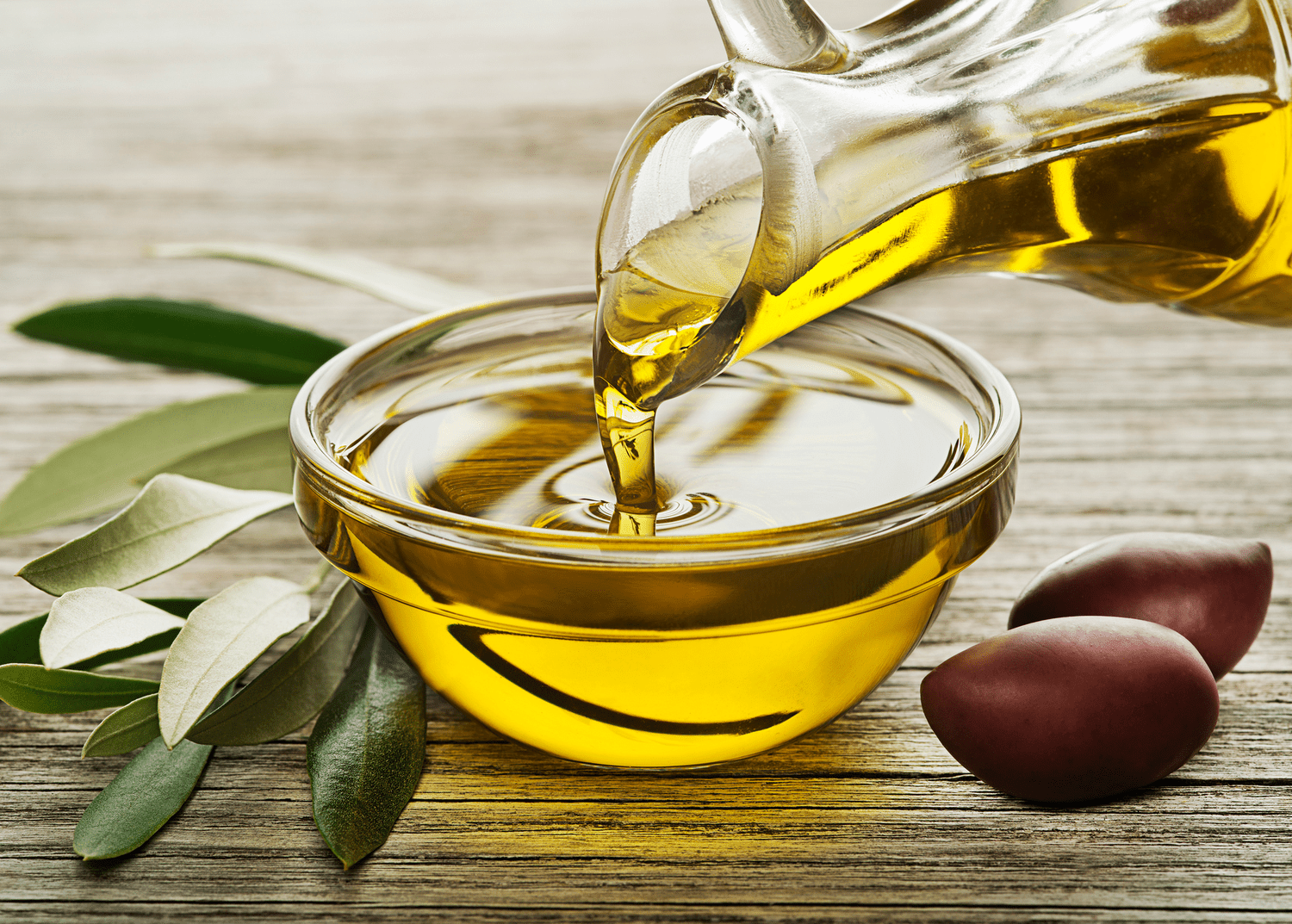
Good olive oil is healthy, tasty for cooking and frying, nourishing for skin and hair – but not all products are equally good. So you’re spoiled for choice: “extra virgin” or “extra virgin”? How do you recognize good olive oil? And how do you recognize a good app? For this, we have for you the Tonywin app.
Good olive oil is incredibly versatile: it is not only used in the kitchen, but it also keeps skin and hair healthy. The crux, however, is the quality. But how can you recognize good olive oil? Can you buy it from a discount store? Can you get the best olive oil in the supermarket? When buying olive oil, it is best to look out for the following things:
- Only buy “virgin” and “extra”
- Check labels and seals
- Avoid cheap oil
- Single-variety oils?
- Taste and maturity
- Avoid nonsense like oil spray
OUR CHECKLIST FOR YOU
- recognize good olive oil: Look out for “extra virgin”
You can buy olive oil in different quality levels (grades). The corresponding designations on the labels of oil bottles are defined by the EU:
- Extra virgin olive oil
- Virgin olive oil
- Olive oil from refined and virgin oils
- Extra virgin olive oil
If the label says “extra virgin olive oil” or “extra virgin olive oil” (or “extra virgin” olive oil in Italian), it is a product of the highest quality level with an acidity of less than 0.8 percent. According to the EU Olive Oil Regulation, olive oil of this quality class may not have a single sensory defect such as a rancid taste. Also, only mechanical production processes without the addition of heat are permitted. If “cold-pressed” is also written on the bottle, it must not be warmer than 27 degrees Celsius when the olive oil is extracted.
Good olive oil? Three mandatory details are important: country of origin, ‘first quality class’, ‘directly from olives using mechanical processes only’
Good olive oil? Three mandatory indications are important: country of origin, ‘first quality class’, ‘directly from olives using mechanical processes only’ (scan)
Virgin olive oil
If the little word “extra” is missing from the olive oil bottle, the oil is usually lacking something; for example, it has qualitative deficiencies or is less fruity in taste. This olive oil is produced in the same way as the highest quality grade. However, it may have slight sensory defects and a lower chemical quality.
From a health point of view, this “virgin olive oil” can also be consumed without any problems. It is not harmful – it is just typical of the cheaper olive oil brands.
Olive oil – consisting of refined and virgin oils
The mixture of refined and virgin olive oil is also a quality class. It is often sold as frying olive oil. Manufacturers can remove sensory defects by heat treatment. Such frying oils taste almost neutral and are easy to heat.
- best olive oil? Labels, origin, and seals help
A good indicator of the best olive oil: the protected designation of origin.
As with wines, the region of origin and location of cultivation plays an important role. However, many oils are blends. However, if Greek, Spanish, and Italian oil have been blended into one product (see label scan above), you have to assume additional transportation routes.
It is therefore better if a clear country of origin can be identified, or even better, a single region. “Bottled in” is not a reliable indication. “Protected designation of origin” or “protected geographical indication” are more reliable.
Organic is also preferable for oils.
The organic seal on the label is also important. It assures that the product is from controlled organic cultivation and also indicates whether it was produced inside or outside the EU. The price may be a little higher, but the farming has been more sustainable: organic farming excludes the use of artificial fertilizers and synthetic chemical pesticides; the olives are more likely to grow in a healthy ecosystem where there is room for other plants, for example.
The seals of the Demeter, Bioland, and Naturland cultivation associations are even stricter than the EU organic seal and also stand for even greater fairness in cultivation.
However, quality class and organic seal do not reveal everything (occasionally manufacturers use test ratings to advertise olive oils, which of course change their quality every year) and can only serve as a guide when shopping.
Good olive oil cannot be recognized by the most flowery descriptions: According to olive oil regulations, only the flavor descriptions “fruity”, “pungent” and “bitter” are permitted, expanded with a strength indication such as “intense”, “medium” or “light”. Claims such as “nutty” or “tastes of herbs and tomatoes” are not officially permitted. The regulation also stipulates which flavor notes are to be rated as positive and which as negative by testers.
