





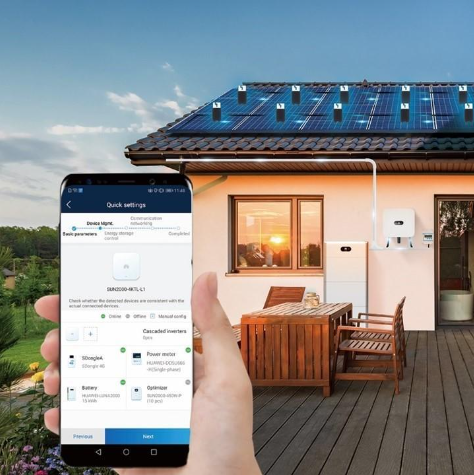
An integral part of every solar power system is the solar inverter. A solar inverter converts the DC power from your solar panels to AC power, allowing you to use them more effectively. Electrical appliances, lights, and gadgets in the house can all be powered by it. It will be more challenging to connect solar panels to your home if you experience issues with your inverter. Not to mention the fact that it could lead to astronomically high energy bills. In that case, how can you prevent your solar inverter from malfunctioning? And do you know how to connect solar panel to inverter? When it comes to solar inverters, how can you extend their lifespan? Considering that, here is some useful maintenance advice to extend the life of solar inverters. The solar inverter is a critical component of your solar power system, and we will also provide you with key details about how to maintain, repair, and service it.
Tips for Keeping Solar Inverters in Top Condition for the Long Term
Following these inverter maintenance recommendations is critical to ensuring the optimal performance of your solar power system.
Determine the location.
The installation of your inverter system should be carried out in an area that is clean and has good ventilation. A substantial amount of money would be saved in the end. Overheating could occur if it is installed in an area without sufficient ventilation. Dew forms in hot environments and can cause rust to develop over time. If you take precautions to keep heat, moisture, and dust out of your inverter system, it will work better.
Furthermore, make sure to position your inverter in a shady area to avoid direct sunlight, snow, and precipitation. The potential for harm and diminished performance is a consequence of exposure to environmental variables. Regular checks should be made for corrosion and water flow.
Clean the air intake filter.
Depending on where your inverter is located, dust and debris may settle into the air intake filter over time. Dirty filters might reduce the inverter’s efficiency and make cooling more difficult. It is advisable to consult an expert because cleaning the filter may require disassembling parts of the machine.
Check if there are any errors.
Although regular checks are not necessary, it is recommended to do periodic inspections to ensure everything is functioning properly. See whether there are any unusual lights or trouble codes on the inverter screen. If anything out of the ordinary is discovered, it’s best to have an expert take a look.
Overloading the inverter.
Keep electrical devices and appliances under their capacity to avoid overloading your system. Your inverter and batteries are vulnerable to damage from high temperatures and fires, as mentioned before. If you want your inverter to last as long as possible after installation, keep it away from any heat sources or flames.

Keep the air circulating sufficiently.
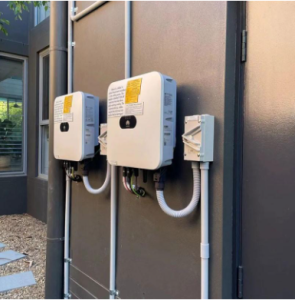
In the process of converting DC power into AC power, the inverter generates heat. A minimum of twelve inches of clearance around the apparatus is recommended to ensure sufficient airflow. Avoid blocking the inverter’s fan at all costs. Also, keep combustible items away from the inverter to lessen the likelihood of a fire.
Conclusion
Solar panel maintenance and inverter maintenance go hand in hand. Ensuring your solar inverter is in good working order is the first step in maintaining your solar power system. The things that you can do to prolong the lifespan of your inverter are to secure a good location, clean the air intake filter, avoid overloading the inverter, and keep the air circulating sufficiently. This is why servicing, repairing, and maintaining solar inverters is crucial. Your inverter needs to be functioning for the system to work correctly.


