






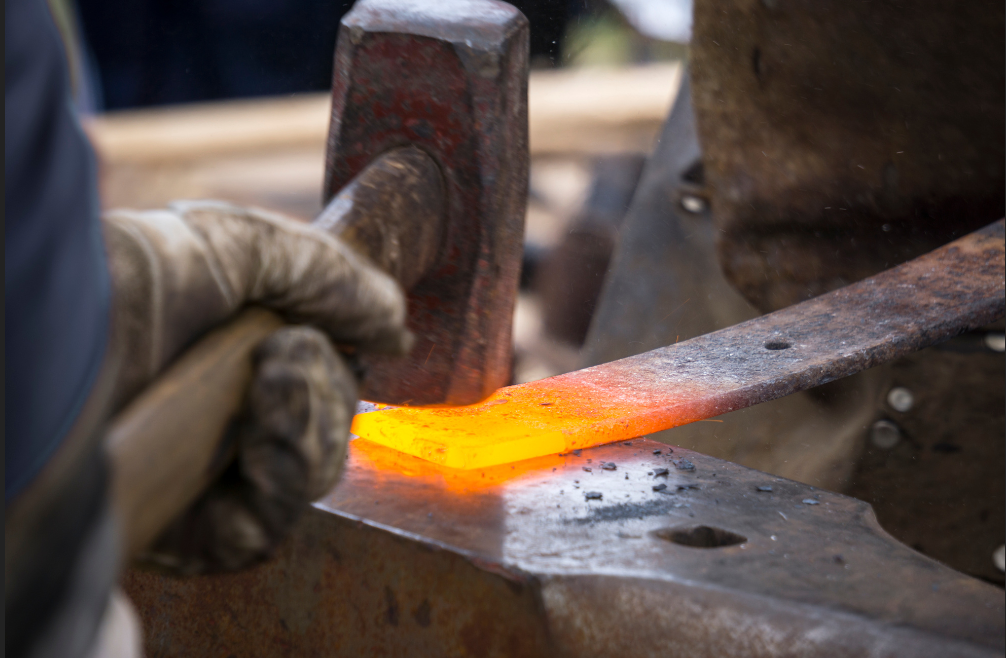
The 1800s were a period of significant change in the world of manufacturing. This era, often referred to as the Industrial Revolution, marked a shift from handcrafted goods to machine-produced items. This transformation changed not only how products were made but also the lives of the people who made them, including the role of blacksmiths in the 1800s.
Before the Industrial Revolution, manufacturing was primarily done in small workshops or at home. Artisans and craftsmen, including blacksmiths, weavers, and carpenters, used their skills to create products by hand. Blacksmiths in the 1800’s were particularly important in rural communities, where they made and repaired tools, horseshoes, and other metal goods necessary for daily life and work.
However, the introduction of new machinery and production methods began to change the landscape of manufacturing. The textile industry was among the first to experience this shift. Inventions like the spinning jenny, the water frame, and the power loom allowed textiles to be produced much faster than before. These machines could spin multiple threads or weave cloth at speeds no human could match, dramatically increasing production rates and lowering costs.
The changes in the textile industry soon spread to other areas of manufacturing. The steam engine, developed by James Watt and others, became a key source of power for factories, enabling them to operate machinery without relying on water mills or animal power. This innovation allowed factories to be built in more locations and to run more efficiently.
As factories sprang up, the demand for raw materials and energy sources grew. Coal mining became a major industry, providing the fuel needed to power steam engines and heat buildings. The iron and steel industries also expanded, driven by the need for machinery, tools, and construction materials. The process of making iron and steel evolved during this time, with new methods like the Bessemer process allowing for the mass production of steel, which was stronger and more versatile than iron.
The rise of factories brought significant changes to the workforce. Many people, including former artisans and rural workers, moved to cities in search of factory jobs. While these jobs often paid better than farm labor, they were also more dangerous and required long hours in often poor conditions. The shift from skilled craftsmanship to repetitive tasks in factories led to a loss of individuality in work and a decrease in the demand for traditional crafts, impacting blacksmiths and other artisans.
Despite these challenges, not all traditional crafts disappeared. Blacksmithing adapted to the changing times by focusing on specialized products or serving industries that factories couldn’t. Some became farriers, specializing in horseshoes and horse care, while others made custom metalwork or repaired machinery. The skills of blacksmiths remained valuable, particularly in areas not yet reached by industrialization.
The 1800s also saw significant advancements in transportation and communication, which further fueled the growth of manufacturing. The development of the steam locomotive and the expansion of the railway network made it easier to transport goods and raw materials. This not only reduced costs but also opened up new markets for manufactured products. Similarly, innovations like the telegraph improved communication, allowing businesses to operate more efficiently and over greater distances.
The impact of the Industrial Revolution on manufacturing and society was profound. It led to increased production, lower prices, and the growth of new industries. However, it also brought environmental challenges, labor disputes, and social changes. The role of workers, shifted dramatically, leading to new dynamics in the workplace and the economy.
In summary, the 1800s were a transformative period in the history of manufacturing. The move from handcrafted goods to machine production reshaped industries, economies, and communities. While the era brought challenges, particularly for traditional craftsmen like blacksmiths, it also laid the groundwork for the modern manufacturing world, with its focus on efficiency, innovation, and global connectivity.