






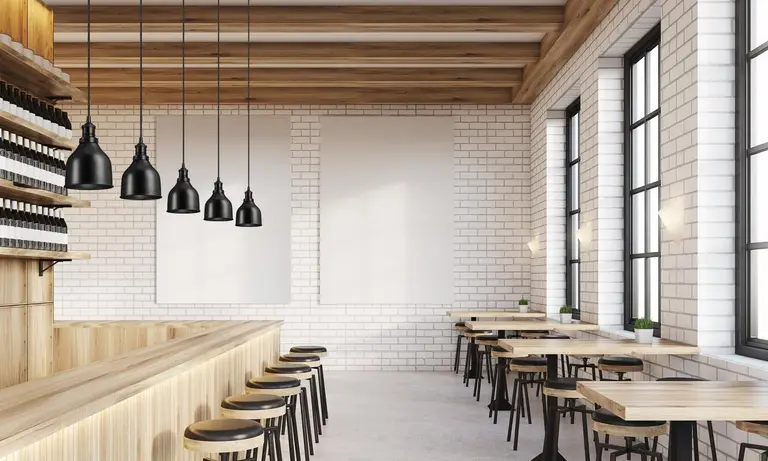
Choosing the appropriate furniture is one of the most important considerations restaurant owners must make in the fast-paced world of restaurant design. Decisions made in this area have a big influence on the establishment’s overall success, atmosphere, and usability. Which should you choose—the newest styles or classic pieces that last through ephemeral trends? This article explores the advantages and disadvantages of both modern and classic restaurant furniture, delving into the subtleties of this decision-making process.
THE TEMPTATION OF TRENDS
There is no denying the appeal of trendy restaurant furnishings. It’s exciting and new, and it may immediately improve your space’s visual appeal. Trendy furniture can provide a big visual effect, drawing attention and creating excitement, whether it has bold, statement pieces or sleek, minimalist designs.
- Aesthetic Appeal: Modern design movements can give rise to trends, which are reflections of prevailing inclinations, fashions, and cultural influences. Create a contemporary, Instagram-worthy atmosphere in your restaurant that appeals to younger demographics and design-savvy customers by introducing fashionable furnishings.
- Competitive advantage: Keeping up with the latest developments might provide your restaurant with a competitive advantage in a crowded market. Using the newest furniture trends distinguishes your business from rivals and draws in clients looking for unique experiences. It also shows how inventive and forward-thinking your company is.
- Flexibility: Trends change quickly, providing a plethora of choices to accommodate various themes, ideas, and tastes. Trendy furniture gives you a choice in matching it to your restaurant’s brand identity and preferred ambiance, whether it’s industrial chic or Scandinavian simple.
THE PITFALL OF TRENDS
Even if modern furniture is aesthetically pleasing, it has drawbacks of its own.
- Short Lifespan: Due to their transient appeal, trends are inherently ephemeral. Fashions change quickly. Therefore, regular repairs and restorations are necessary to stay up to speed with evolving tastes. For restaurant proprietors, this may result in significant expenses and practical difficulties.
- Saturation and Sameness: When trends acquire traction, they frequently spread widely, which saturates the market and lessens their distinctiveness. What made your restaurant unique in the beginning can later become just another one in a sea of similar businesses, making it less appealing and distinctive.
- Danger of Overexposure: Adopting extremely fashionable designs runs the danger of offending some target audiences, especially older or more traditional ones who value traditional charm above modern flare. In order to guarantee longevity and wide appeal, it is crucial to strike a balance between originality and timelessness.
THE ALLURE OF TIMELESS ELEGANCE
Timeless restaurant furniture radiates timeless beauty and sophistication as opposed to fads. Classic styles, fine craftsmanship, and classic materials like leather and wood define timeless furniture. It outlives fads and continues to be stylish and functional for many generations.
- Durability and Longevity: Classic furniture is made to last, looking well and performing well over time. Purchasing high-quality items minimizes long-term expenses and reduces the need for frequent replacements by ensuring durability and lifespan.
- Versatility and Adaptability: Classic designs have a classic charm that endures beyond fads and changing inclinations. Because of their adaptability to changing décor styles, they are a sensible investment for restaurants looking for long-lasting sophistication and refinement.
- Brand Identity and Consistency: Classic furniture may support a unified brand identity by highlighting the principles, atmosphere, and overarching theme of the restaurant. Timeless artifacts create an unforgettable eating experience that connects with patrons on a deeper level by invoking a sense of heritage, authenticity, or nostalgia.
CONCLUSION
In the dynamic world of restaurant design, selecting furniture that is both trendy and classic is a complex decision that needs to be well thought out. Timeless furniture radiates durability and timeless elegance, while fashionable furniture offers instant charm and current appeal. Restaurant operators may create warm, aesthetically pleasing environments that last and appeal to a wide range of customers by finding a balance between the two. Ultimately, the secret is to create a unified, memorable dining experience that makes an impression on customers, regardless of whether you choose to serve time-tested classics or the newest fads.