




For generations, the standard camping experience followed a familiar blueprint. Travelers packed their vehicles, drove to massive state or national parks, and set up camp in sprawling campgrounds alongside hundreds of other families. These traditional sites offered a bustling community atmosphere, but they often came with crowded facilities, ambient noise, and a distinct lack of privacy. The modern camper, seeking a true escape from the frantic pace of urban life, frequently found that these packed locations felt more like crowded suburbs than untamed nature.
A quiet revolution is transforming the outdoor hospitality industry: the rise of “Micro Campgrounds.” These intimate, low-impact destinations typically feature only a handful of highly private sites nestled on hidden private lands, working farms, or secluded ecological reserves. By trading massive crowds for curated tranquility, micro-campgrounds shift the focus from consumer-heavy tourism to deep, meaningful connection with the landscape. In this new era of outdoor travel, a smaller campsite footprint directly translates to a much bigger, more immersive nature experience.
The Shift Toward Quiet Outdoor Experiences
The surging popularity of micro-campgrounds reflects a deeper psychological shift in how modern travelers approach leisure, wellness, and environmental exploration.
Privacy-Focused Travel
In an hyper-connected world dominated by digital screens and crowded public spaces, true solitude has become the ultimate luxury. Modern explorers are increasingly seeking privacy-focused travel where the primary goal is mental decompression. Micro-campgrounds cater perfectly to this desire by ensuring that your nearest neighbor is hundreds of yards away, hidden behind dense foliage rather than just a few feet from your tent flap. This physical separation allows travelers to truly unwind, listen to the natural sounds of the forest, and experience an authentic sense of wilderness seclusion.
Slower Tourism Trends
The fast-paced, checklist-driven style of tourism—where travelers rush from one famous landmark to the next—is losing its appeal. In its place, the “slow tourism” movement encourages people to stay in one location longer, reduce their travel velocity, and engage deeply with the local ecosystem. Micro-campgrounds naturally foster this slower rhythm. With fewer distractions and a serene environment, campers are content to spend their days reading, observing local wildlife, or simply watching the changing light across a single valley, turning a simple weekend getaway into a profound wellness retreat.
Why Minimalist Gear Is Becoming More Popular
Because micro-campgrounds are often located on pristine, delicate ecosystems or off-the-beaten-path terrain, traditional, oversized camping equipment is no longer practical. This shift in destinations has fueled a massive parallel trend: the widespread adoption of minimalist gear.
Compact Equipment Advantages
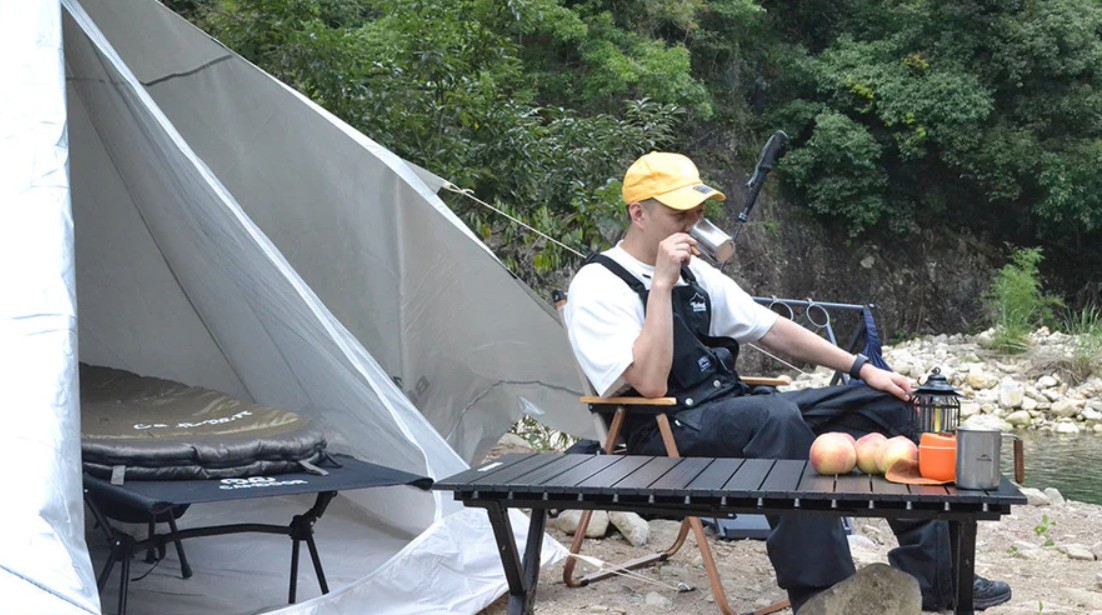
Large, heavy multi-room tents and bulky steel camp kitchens are designed for commercial campgrounds with manicured, drive-in gravel pads. Micro-sites, however, might require a short walk down a narrow dirt trail or feature smaller, intentionally low-impact wooden platforms. Compact, highly efficient equipment allows campers to adapt to any unique layout without sacrificing comfort. Furthermore, smaller gear minimizes the ecological disturbance to the surrounding flora, aligning with the “Leave No Trace” principles that micro-campground hosts prioritize.
Easy Transportation
When your アウトドア用品 is streamlined and lightweight, the logistical friction of a road trip vanishes. Travelers no longer need a massive SUV or a dedicated cargo box just to enjoy a weekend in nature. Minimalist equipment fits effortlessly into the trunk of a compact hybrid car or a small crossover, making spontaneous departures stress-free. The ease of loading and unloading means you spend less time wrestling with heavy storage bins and more time enjoying the tranquility of your private sanctuary.
Building a Comfortable Small Campsite
Operating within a smaller spatial footprint does not mean you have to rough it. With a strategic approach to organization and design, a compact campsite can feel incredibly luxurious and highly functional.
Space-Saving Layouts
The secret to a successful micro-site layout is strict zoning. Divide your small footprint into clear, functional zones: a dedicated sleeping shelter, a cooking station, and a relaxation area. Keep your paths clear and ensure that items not currently in use are packed back into their designated containers. By establishing an organized perimeter, you prevent clutter from shrinking your living space, creating an open, airy atmosphere that feels harmonious with the surrounding nature.
Multifunctional Camping Gear
In a compact campsite, every piece of equipment must earn its place by serving multiple purposes. A storage container should double as a sturdy side table; a technical poncho should transform into a sun tarp; and a single highly efficient nesting cookset should handle everything from boiling morning coffee to simmering an evening stew. Prioritizing versatility reduces the total volume of items you need to pack, streamline your camp chores, and allows you to maintain a tidy, minimalist environment.
The Best Gear for Compact Camping
To fully unlock the potential of the micro-camping lifestyle, investing in a curated system of high-performance, space-saving gear is essential. These modern tools leverage advanced materials to deliver premium comfort within a fraction of the traditional packed size.
Ultralight Folding Chairs
Bulky, traditional camp chairs with heavy steel frames take up massive amounts of trunk space and are cumbersome to carry over uneven paths. Modern 超軽量折りたたみチェア utilize aircraft-grade aluminum shock-corded poles to collapse down to the size of a small water bottle. Despite their minimalist packed size, these chairs offer exceptional ergonomic back support, allowing you to relax comfortably by the campfire at the end of the day.
Compact Sleeping Bags
Heavy, cotton-lined sleeping bags are incredibly inefficient to pack and slow to dry if exposed to morning humidity. For micro-campgrounds, opt for technical, compact sleeping bags filled with high-loft insulation materials. These advanced bags provide incredible warmth-to-weight ratios and compress tightly into miniature compression sacks, freeing up valuable space inside your primary travel bags for other essential gear.
Inflatable Sleeping Pads
Sleeping directly on a thin foam mat can ruin an otherwise perfect outdoor experience, causing body aches and poor insulation from the cold earth. A high-density, キャンプ用エアマット is a cornerstone of the modern minimalist setup. These pads utilize internal air-baffle technology to lift your body several inches off the ground, smoothing out uneven terrain while packing down to the size of an energy drink bottle when deflated.
Final Thoughts: The Beauty of Less
The micro-campground movement is more than just a temporary travel trend; it is a profound reflection of how our relationship with nature is evolving. By choosing smaller, more intentional campsites and pairing them with smart, minimalist gear setups, we strip away the noise, clutter, and logistical headaches of traditional commercial camping.
In these quiet, hidden corners of the world, we discover that we do not need a massive amount of space or heavy gear to find fulfillment. True adventure isn’t found in the size of the campground—it is found in the depth of the stillness, the clarity of the stars overhead, and the quality of the moments we spend unplugged.