






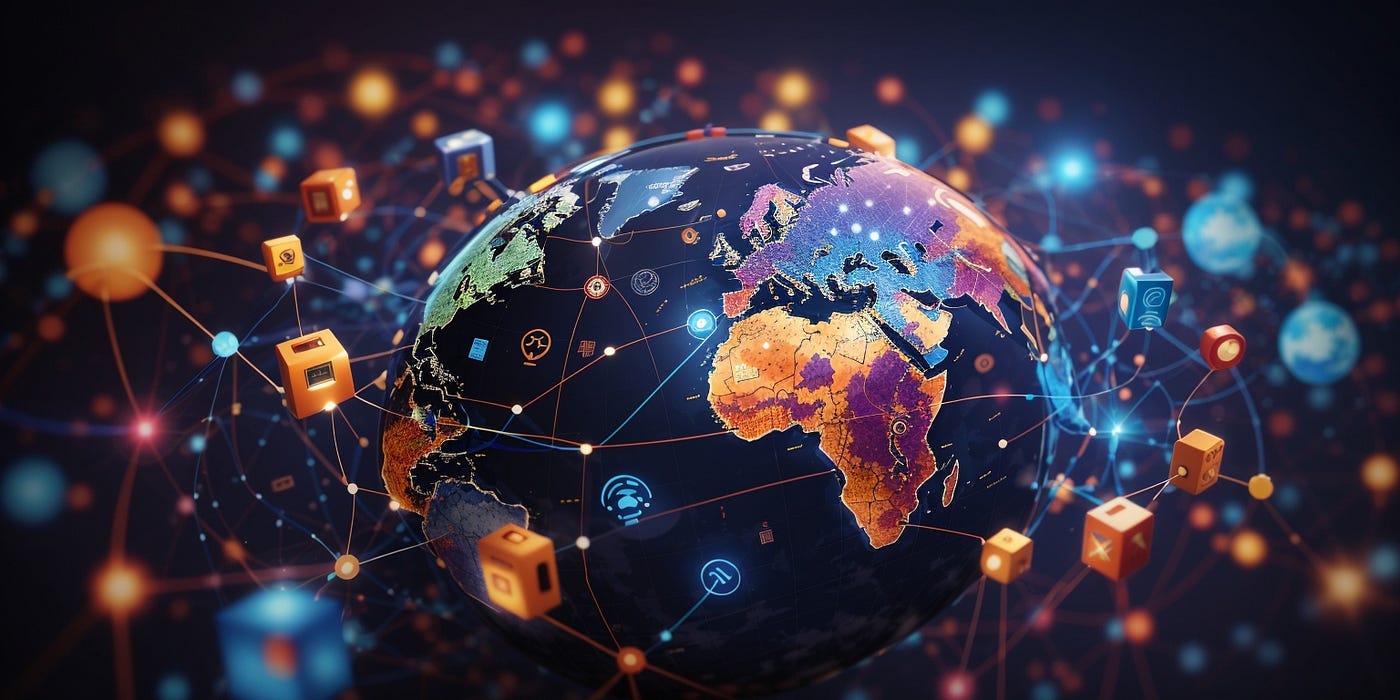
The Internet of Things (IoT) has emerged as a groundbreaking technological advancement that is reshaping industries, homes, and the way we interact with our surroundings. IoT is rapidly connecting the world one device at a time, and its impact is felt across various domains, from smart cities and healthcare to agriculture and manufacturing. In this article, we will explore the concept of IoT and its transformative influence on our lives.
Understanding the Internet of Things (IoT)
IoT refers to the network of interconnected physical devices, vehicles, buildings, and other objects embedded with sensors, software, and network connectivity. These devices collect and exchange data over the internet, enabling them to interact with each other and perform tasks autonomously or with minimal human intervention.
The Key Components of IoT
To comprehend the significance of IoT, it’s essential to grasp its core components:
- Devices and Sensors: IoT devices come in various forms, from simple temperature sensors to complex machinery with embedded processors. These devices collect data from the physical world.
- Connectivity: IoT devices rely on various communication protocols like Wi-Fi, Bluetooth, cellular networks, and Low Power Wide Area Networks (LPWAN) to transmit data to the cloud or other devices.
- Data Processing: Data collected by IoT devices is processed and analyzed using cloud computing resources or edge computing to derive valuable insights.
- User Interface: IoT systems often have user interfaces through web applications or mobile apps, allowing users to interact with and control connected devices.
Applications of IoT
IoT’s impact is widespread, with applications in various sectors:
1. Smart Cities
- Traffic Management: IoT sensors monitor traffic flow and optimize traffic signals for reduced congestion.
- Environmental Monitoring: Air quality and pollution levels are constantly monitored to improve urban living conditions.
- Waste Management: Smart bins notify authorities when they need emptying, reducing costs and optimizing routes.
2. Healthcare
- Remote Patient Monitoring: IoT devices enable real-time grillale monitoring of patients’ vital signs and health conditions, allowing timely interventions.
- Medication Adherence: Smart pill bottles and wearable devices remind patients to take medications as prescribed.
3. Agriculture
- Precision Agriculture: IoT sensors provide data on soil conditions, weather, and crop health, optimizing resource use and increasing yields.
- Livestock Monitoring: Farmers use IoT to track the health and location of livestock, enhancing animal welfare and productivity.
4. Manufacturing
- Predictive Maintenance: IoT sensors on machinery detect signs of wear and tear, reducing downtime by scheduling maintenance before failures occur.
- Inventory Management: IoT systems track inventory levels and trigger reorder requests automatically.
5. Energy Management
- Smart Grids: IoT helps utilities monitor and control energy distribution efficiently, reducing waste and costs.
- Home Energy Management: Smart thermostats and appliances optimize energy use in homes.
6. Transportation
- Fleet Management: IoT devices track vehicles, monitor driver behavior, and optimize routes for efficiency and safety.
- Autonomous Vehicles: Self-driving cars rely on IoT sensors and connectivity for navigation and collision avoidance.
Challenges and Future Outlook
While IoT offers tremendous benefits, it also presents challenges such as data security and privacy concerns, interoperability issues, and the potential for device vulnerabilities. As the IoT ecosystem continues to expand, addressing these challenges will be crucial.
The future of IoT promises even more connectivity, with billions of devices expected to be deployed worldwide. As technology evolves, IoT will play an increasingly vital role in enhancing efficiency, sustainability, and our overall quality of life.
In conclusion, the Internet of Things is a transformative force that is connecting the world in unprecedented ways. Its applications span various industries, and its potential for innovation is limitless. As IoT technology continues to advance, it will continue to shape our world, making it smarter, more efficient, and more connected.


