







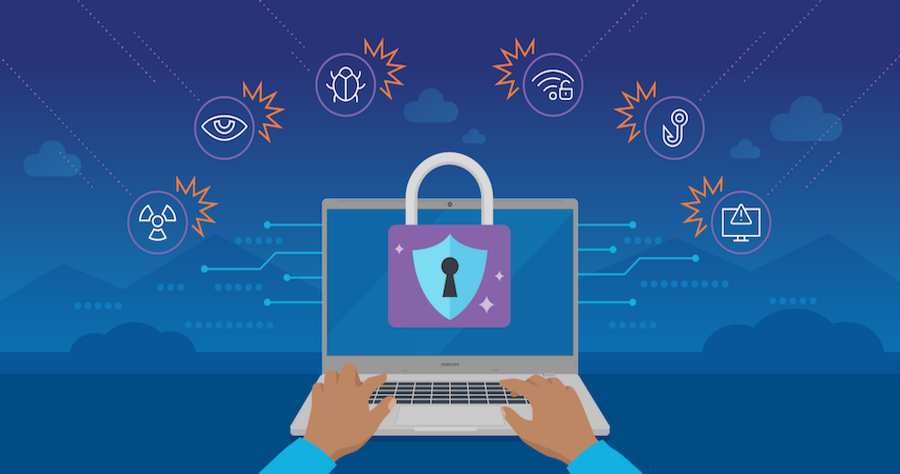
The shift to remote work, accelerated by the COVID-19 pandemic, has brought about unprecedented changes in the way we work and do business. While remote work offers flexibility and convenience, it has also presented significant cybersecurity challenges. In this article, we will explore the cybersecurity challenges faced in the age of remote work and the solutions organizations can implement to mitigate these risks.
Challenges
1. Increased Attack Surface
Remote work has expanded the attack surface for cybercriminals. With employees working from various locations and devices, there are more entry points for cyberattacks. Home networks and personal devices may not have the same level of security as corporate environments, making them vulnerable targets.
2. Phishing and Social Engineering Attacks
Phishing attacks have surged during the pandemic. Cybercriminals often use social engineering tactics to trick remote workers into divulging sensitive information or clicking on malicious links. With employees working from home, it can be harder for organizations to monitor and educate them about these threats.
3. Inadequate Endpoint Security
Remote devices, including laptops and smartphones, are at risk of malware infections and data breaches. Ensuring that all remote devices have up-to-date security software and are regularly patched can be a daunting task for IT teams.
4. VPN Vulnerabilities
Many organizations rely on Virtual Private Networks (VPNs) to secure remote connections. However, VPNs have their vulnerabilities, and cybercriminals are increasingly targeting them. Ensuring the security of VPN connections is crucial for remote work.
5. Insider Threats
Insider threats remain a concern in remote work scenarios. Employees may misuse their wikibioinfos access privileges or accidentally expose sensitive data. Monitoring and managing insider threats remotely require robust security measures.
Solutions
1. Strong Authentication
Implementing multi-factor authentication (MFA) helps add an extra layer of security by wikibioinfos requiring users to provide multiple forms of verification. This can prevent unauthorized access even if login credentials are compromised.
2. VPN and Network Security
Organizations should secure VPN connections by keeping them up to date and implementing encryption. Network segmentation can limit access to sensitive data, reducing the risk of lateral movement by attackers.
3. Employee Training and Awareness
Regular cybersecurity training and awareness programs are essential to educate remote employees about the latest threats and best practices. Employees should be cautious about clicking on links or downloading attachments from unknown sources.
4. Endpoint Security
Organizations should deploy robust endpoint security solutions that include antivirus, anti-malware, and intrusion detection systems. These tools help protect remote devices from cyber threats and provide real-time threat monitoring.
5. Cloud Security
As more data and applications move to the cloud, organizations must focus on cloud security. Implementing access controls, encryption, and regular security assessments can help secure cloud-based resources.
6. Zero Trust Security Model
Adopting a Zero Trust security model means that no one is trusted by default, inside or outside the organization. Access is granted based on strict identity verification and continuous monitoring, reducing the risk of insider threats.
7. Incident Response Plan
Having a well-defined incident response plan is crucial for remote work scenarios. This plan should outline the steps to take in case of a cybersecurity incident, including communication, containment, and recovery procedures.
8. Remote Desktop Protocol (RDP) Security
For organizations that rely on RDP for remote access, it’s vital to secure RDP connections with strong passwords, MFA, and network-level authentication to prevent unauthorized access.
9. Regular Security Audits
Conducting regular security audits and assessments of remote work environments can help identify vulnerabilities and weaknesses. Addressing these issues promptly is essential for maintaining a secure remote work infrastructure.
10. Data Backup and Recovery
Regularly backing up data and having a robust data recovery plan in place can help organizations recover from ransomware attacks or data breaches without paying ransoms or losing critical information.
In conclusion, the age of remote work has presented cybersecurity challenges that organizations must address to protect their data and systems effectively. By implementing a combination of security measures, raising employee awareness, and staying proactive in monitoring and responding to threats, organizations can create a secure remote work environment that enables productivity while minimizing cybersecurity risks. As remote work continues to evolve, so too must our cybersecurity strategies to ensure that data and systems remain safeguarded.


