







Winter brings a picturesque blanket of snow, transforming landscapes into scenes of serene beauty. However, for those who rely on tractors for various tasks, such as farming, landscaping, or snow removal, the arrival of snow also brings challenges. With their robust build and powerful engines, tractors are indispensable machines for many industries. Yet, their effectiveness can be significantly hindered when faced with snowy or icy conditions. This leads us to the question: are tractor tire chains a must-have for snowy conditions?
Understanding Tractor Tire Chains
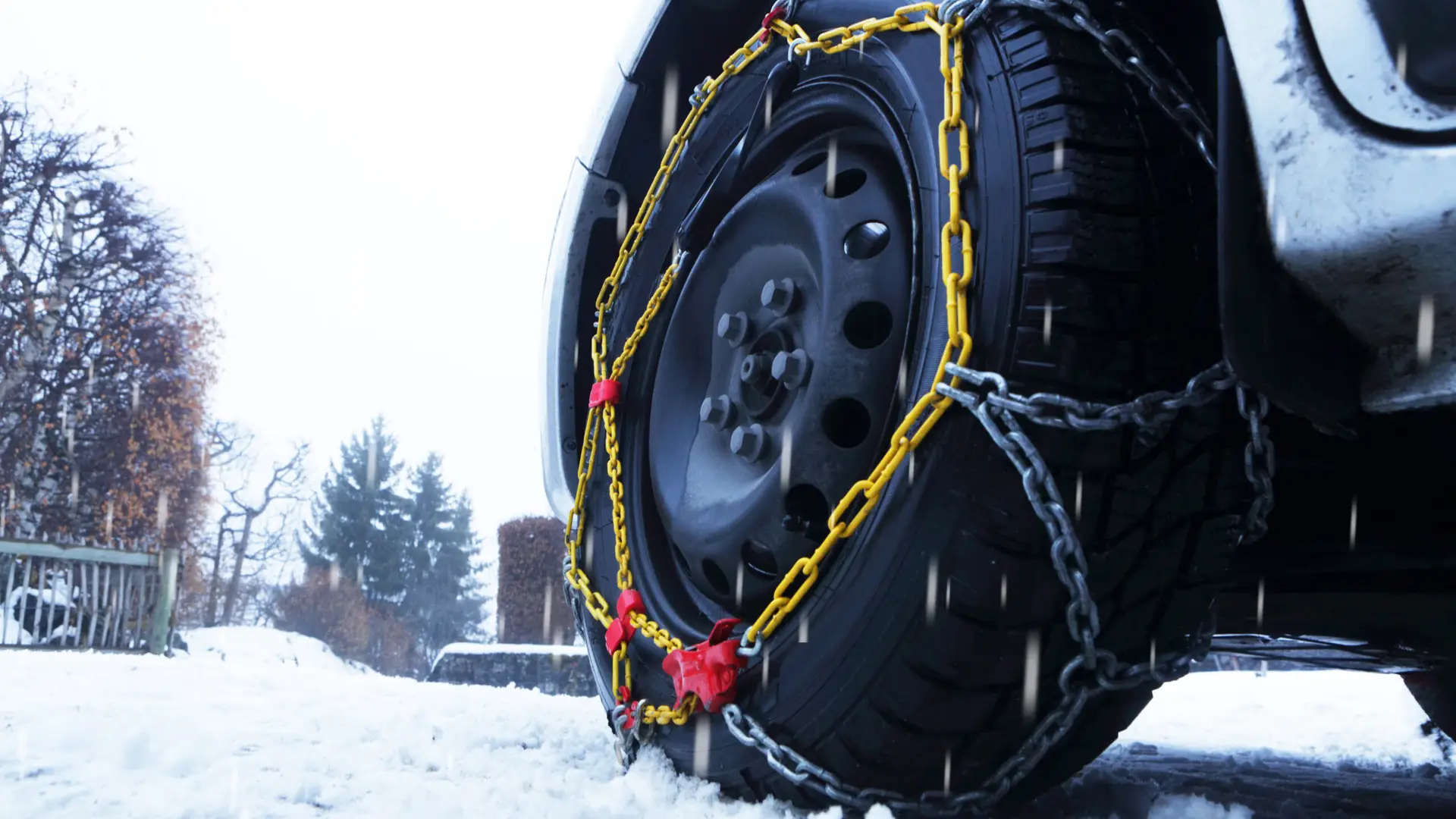
Before delving into their necessity, let’s understand what tractor tire chains are and how they function. Tractor tire chains are metal chains fitted around the tires of a tractor to provide enhanced traction in slippery conditions such as snow and ice. These chains consist of interlocking metal links that cover the tire’s tread, creating a gripping surface that bites into the snow and ice, allowing the tractor to maintain traction and maneuver more effectively.
The Importance of Traction
Traction is crucial when operating machinery in snowy or icy conditions. Without adequate traction, tractors can struggle to move forward or maintain control, leading to inefficiency, safety hazards, and potential damage to both the tractor and its surroundings. This is especially true for tasks that require precise movements or heavy loads, such as plowing fields, clearing snow-covered roads, or hauling materials across snowy terrain.
Advantages of Tractor Tire Chains
- Enhanced Traction: The primary benefit of tractor tire chains is their ability to significantly enhance traction on slippery surfaces. The metal links bite into the snow and ice, preventing slippage and allowing the tractor to maintain forward motion and control.
- Versatility: Tractor tire chains are versatile and can be used on various terrains, including snow-covered roads, icy surfaces, muddy fields, and uneven terrain. This versatility makes them valuable for agricultural, landscaping, and snow removal tasks across different seasons.
- Increased Safety: Tire chains contribute to safer operations in snowy conditions by improving traction. Reduced slippage minimizes the risk of accidents such as skidding, sliding off roads or paths, and losing control while maneuvering equipment.
- Cost-Effective: Investing in tractor tire chains is a cost-effective way to improve traction and extend the usability of tractors in winter conditions. Compared to purchasing specialized snow tires or other traction-enhancing equipment, tire chains offer a practical and affordable solution.
- Ease of Installation: Modern tractor tire chains are designed for ease of installation and removal. With proper instructions and tools, operators can quickly install or remove tire chains as needed, adapting to changing weather and terrain conditions.
Considerations for Using Tractor Tire Chains
While tractor tire chains offer significant advantages, several considerations should be kept in mind:
- Compatibility: Ensure that the tire chains are compatible with your tractor’s tire size and design. Using incorrectly sized or incompatible chains can lead to ineffective traction or damage to the tires or chains themselves.
- Maintenance: Inspect and maintain tire chains regularly to ensure optimal performance and longevity. Replace worn or damaged chains promptly to avoid compromising traction and safety.
- Local Regulations: Be aware of local regulations regarding the use of tire chains. Some areas may have specific guidelines or restrictions, especially on public roads, to ensure safety and minimize damage to road surfaces.
- Training and Familiarity: Provide training to operators on the proper installation, usage, and safety precautions when using tire chains. Familiarity with equipment and procedures can prevent accidents and maximize effectiveness.
Alternatives to Tractor Tire Chains
While tire chains are highly effective, they are not the only option for improving traction in snowy conditions. Consider these alternatives based on your specific needs and preferences:
- Snow Tires: Specialized snow tires designed with deep treads and rubber compounds suitable for cold temperatures can offer enhanced traction without the need for tire chains. However, they may not provide the same level of traction in extremely icy conditions.
- Weighted Tires: Adding weight to tractor tires, such as using tire ballast or wheel weights, can improve traction by increasing downward pressure on the tires. This method is effective for moderate snow conditions but may not suffice in heavy ice or deep snow.
- Traction Aids: Various traction aids such as tire studs, grip tapes, or traction mats can be used in conjunction with or as alternatives to tire chains. These aids provide additional grip on slippery surfaces but may have limitations depending on the terrain and conditions.
- Adjusting Operations: In some cases, adjusting operating practices such as reducing speed, avoiding steep slopes, or altering routes can mitigate traction challenges without requiring additional equipment or modifications.
Conclusion
In conclusion, while tractor tire chains are highly beneficial for enhancing traction in snowy conditions, their necessity depends on various factors, including terrain, tasks, and equipment capabilities. For operations that frequently encounter snow and ice, tire chains offer a reliable and cost-effective solution to maintain traction, improve safety, and maximize productivity during winter months.
However, assessing compatibility, conducting proper maintenance, adhering to regulations, and considering alternative traction options based on specific needs and conditions is essential. By prioritizing traction and implementing appropriate measures, operators can effectively navigate snowy environments with confidence and efficiency, ensuring smooth operations even in the harshest winter conditions.
Whether it’s clearing snow-covered fields, maintaining roads, or performing winter tasks, equipping tractors with suitable traction solutions such as tire chains underscores their versatility and reliability across diverse seasonal challenges. Ultimately, the decision to use tractor tire chains boils down to ensuring optimal performance, safety, and reliability in snowy conditions, making them a valuable asset for winter operations.


