




Electrical safety is a must if you’re managing a facility or working around a lot of electrical wires and equipment. There are several electrical training topics you can learn that focus on different aspects of the electrical systems. One of the most important topics is arc flash training.
With arc flashes reaching temperatures three times hotter than the sun, it’s imperative that you understand what causes these incidents and what you can do to prevent them. Or, in worst case scenarios, what can be done if a flash does occur.
The 4 Fundamentals of Arc Flash Training
When you go through this training you will learn all aspects of this potentially life-threatening electrical incident. This includes learning what an arc flash is and what are some of its common causes.
During arc flash specialized training you also learn about OSHA regulations and how arc flash certificates work in conjunction with these regulations. Clearly understanding electrical standards will help keep you safe.
Here’s a breakdown on what you’ll learn during these training sessions:
What is An Arc Flash, Its Common Causes, and Potential Effects?
During training, you will gain a clear understanding of what an arc flash is, along with how dangerous it can be. You will learn:
- What an arc flash is and common causes like not using tools properly
- Potential injuries and damages that can be caused by these electrical incidents
- Boundary lines on how much of an area can be affected by an arc flash
You’ll Know NFPA 70E Standards and How They Relate to OSHA Regulations
Arc flash training from places like Facility Results will prepare you to be able to meet the requirements for the NFPA 70E electrical standards. In order for a facility to meet OSHA safety regulations, it must meet NFPA 70E standards. During these sessions the instructor will also show you how to properly document and perform regular audits.
Learning How to Spot the Hazards and Wear Proper Protection
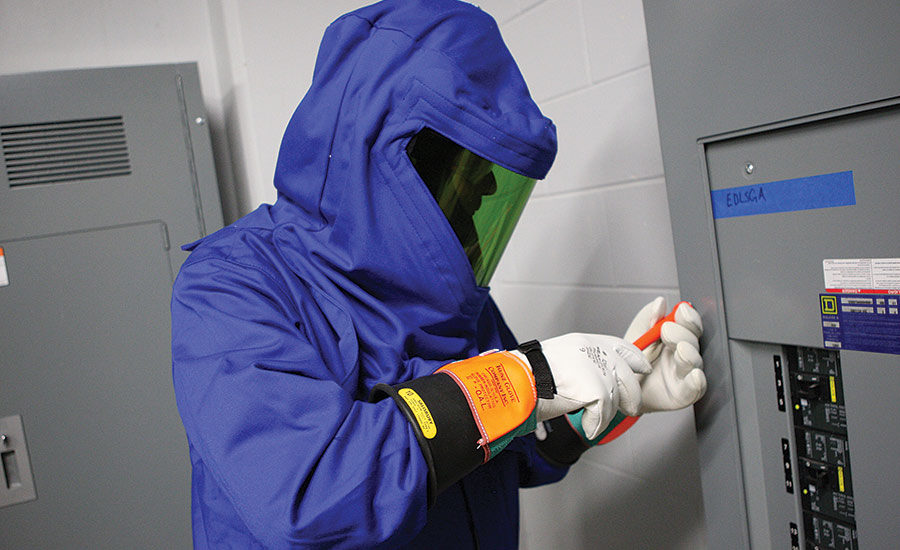
One of the best things you can do to keep yourself around electrical systems is keep on the lookout! NFPA 70E training will show you how to spot possible issues, and what personal protective equipment (PPE) will work best for each situation. This will include proper machine and equipment maintenance to prevent issues.
Training on What to Do if An Arc Flash Does Happen
Your instructor will also go over what you can do if an arc flash does take place. Knowing what to do in these emergencies can potentially save lives. Arc flash training will go over:
- How to control and dispose of hazardous material
- Emergency procedures and protocols for personnel and for the affect area
Keep Yourself Safe with Training on Electrical Arc Flashes
Arc flashes are dangerous. At a minimum they damage the equipment in the blast zone. However, if someone is also in the incident zone during the blast, they can be exposed to life-threatening injuries. Going through arc flash training will prepare you to spot hazards and work within electrical safety practices, keeping you safe from potential dangers.