





Did you know that 80% of strokes are preventable? With even a mild stroke meaning months of recovery — and a drain on your finances — that’s good news. A health event like a stroke can have a lasting impact on your physical, emotional, mental, and financial health.
Life insurance is necessary to provide for your family’s financial future if something were to happen unexpectedly. Chronic health issues, like a stroke, may mean you need high-risk life insurance. You should work with an insurance agent or compare quotes online to find the most affordable life insurance options when you have health issues.
We’ll share what lifestyle choices you can make to reduce your risk and also improve your financial health, as well as what to do if you believe someone may be having a stroke.
What is a stroke?
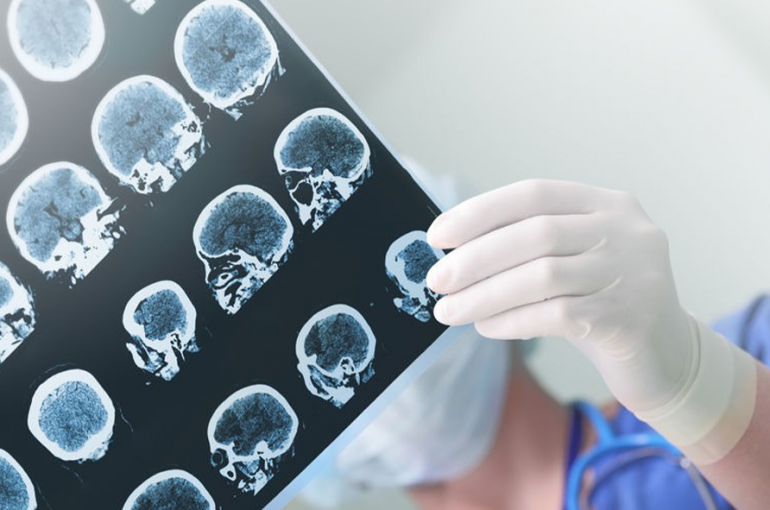
Just like a heart attack can be caused by a blockage in the arteries around the heart, a stroke is caused by a blockage in the blood vessels leading to the brain. It can also be caused when a blood vessel going to the brain bursts or ruptures.
This restricts blood flow and prevents oxygen and nutrients from getting to the brain. This causes brain cells to die. Stroke is the number five leading cause of death and can lead to disabilities or changes to your activities of daily living.
Strokes can range from mild to very severe and there are different types of strokes. Some strokes are debilitating and the individual may never fully recover. Other strokes may have short-term effects but the individual may recover and live a normal lifestyle.
After a stroke, some individuals may need to have therapy to help improve recovery. This could be occupational therapy to improve activities of daily living like buttoning a shirt or using a can opener. It could also be physical therapy to help walk or move better, or speech therapy to improve speech and communication.
What should you do if someone is having a stroke?
First and foremost, if you believe you or someone else is experiencing a stroke, you should get medical attention immediately. The National Stroke Association has developed an easy-to-remember acronym to help identify a stroke.
The acronym is B-E F-A-S-T and stands for:
- B stands for Balance. If there are balance or coordination problems, this may indicate a stroke.
- E is for Eyes. Someone may be experiencing vision problems in one or both eyes.
- F means Face. One side may be drooping, especially during a smile.
- A is for Arms. There may be weakness in one arm when both arms are lifted.
- S stands for Speech. Someone may be having slurred speech, unable to speak, or may be hard to understand.
- T means Time to get help. Call 911 and get medical attention immediately.
The sooner you can get medical attention, the better chance of recovery and survival.
Reducing Your Risk of Stroke
The good news is that the strategies to help reduce your risk of stroke can also reduce your risk for other chronic health issues. Living a healthy lifestyle by managing stress, eating a healthy diet, and staying physically active are the best things you can do to reduce your risk for a stroke.
#1 – Eat Heart-Healthy
A heart-healthy diet will lower your risk of developing a stroke. Heart-healthy eating includes plenty of fruits, vegetables, lean protein, nuts/seeds, low-fat dairy, and whole grains. Planning meals around these foods and eating more meals at home is one easy step toward heart-healthy eating.
It’s important to limit processed, packaged, and restaurant foods. These foods tend to be higher in sodium, saturated fat, and trans fat, which can all negatively impact heart health. Fresh or unprocessed foods have more heart-healthy nutrients like fiber, potassium, and unsaturated fats.
#2 – Focus on Fiber
Fiber not only helps keep us regular, it can also lower blood cholesterol levels. Foods with fiber also tend to have other heart-healthy nutrients, like vitamins and minerals. Fruits, vegetables, beans, nuts, and whole grains are the best sources of fiber.
Try oatmeal or whole-grain toast with fruit for breakfast. For lunch or dinner, brown rice, quinoa, whole-grain pasta, or whole-grain bread are great fiber-rich foods.
#3 – Monitor Blood Pressure
High blood pressure is known as the “silent killer” because there are no signs and symptoms with this condition. It is also a major risk factor for stroke. Your health care provider will monitor your blood pressure, but if there are concerns with high blood pressure then you should monitor it too.
Eating a healthy diet and regular exercise can help manage blood pressure. Too much salt can raise blood pressure, whereas potassium can normalize blood pressure. Some people may also need medication to lower blood pressure.
#4 – Manage Stress
Stress in life is inevitable so it’s important to have stress management techniques and ways to unwind that work for you. Counseling, exercise, socializing, relaxation, and spiritual techniques are some of the stress management techniques that can help. Too much stress can make you more at risk for stroke or heart disease, so find some ways that help you manage life’s stressors.
#5 – Stay Active
Physical activity and exercise are some of the best ways to lower your risk of having a stroke. It also lowers the risk for many other chronic health issues and can boost physical and mental health. Keeping a daily physical activity routine is one of the best things you can do to keep a healthy body and healthy mind.
Staying active can be as simple as going for a daily walk with family members, doing cardio exercises at home, working out with a personal trainer, or doing a yoga streaming video class at home.
#6 – Moderate Alcohol Consumption
Overconsumption of alcohol can increase the risk of stroke or other health conditions. If you do drink, make sure you keep it to a moderate amount.
Moderate alcohol consumption means women should have no more than one drink daily and men should have no more than two drinks daily. One drink is equal to 12 ounces of beer, 5 ounces of wine, and 1.5 ounces of spirits/liquor.
#7 – Manage Other Health Conditions
If you have high cholesterol, diabetes, or heart disease, you can be at higher risk for developing a stroke. It’s important to manage these health conditions by eating healthy, being active, and following your healthcare provider’s recommendations.
Some risk factors are uncontrollable. Age, race, family history, gender, and prior stroke or cardiovascular issues can put you at higher risk for a stroke. It’s important to focus on the controllable risk factors and make healthy choices to prevent a stroke.
Strokes and Life Insurance
The cheapest life insurance rates are for those who are young and healthy. The more health issues that you have, the more challenging it may be to find life insurance coverage and it will be more expensive. Living a healthy lifestyle to lower the risk for chronic health issues will also save you money on life insurance.
Melissa Morris writes and researches for the insurance comparison site, Clearsurance.com. She has a BS and MS in exercise science and health promotion and is a university professor of health sciences and human performance.